WEST JAVA
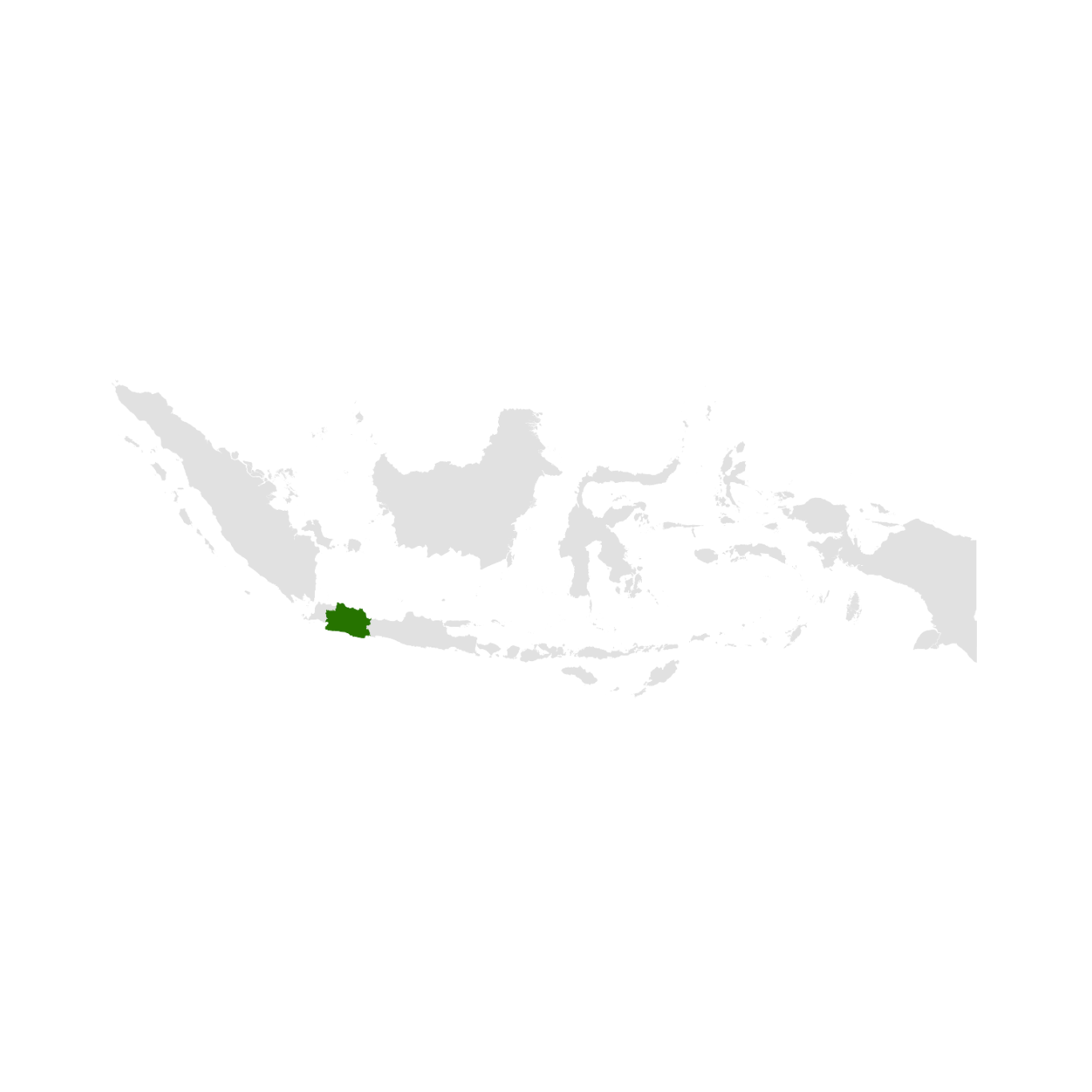
Bogor is where Hutan.in was born. It serves as a living testing ground, where programs are developed and refined alongside local communities before informing our work in other landscapes.
Why West Java?
West Java is where Hutan.in began, and it remains our base. This is where new ideas are tried, where programs take shape, and where the work that eventually reaches other regions is first developed.
The children in Sekolah Rimbawan Kecil come from Desa Cibunian, Pamijahan, a community that has faced repeated flash floods and landslides. They are not learning about environmental degradation from a textbook. They see its effects around them and live with its consequences. The program starts there.
Our In.Allies capacity-building program also runs from West Java. Volunteers from across Indonesia come here to learn, share experiences, and build skills they can take back to their own communities. What begins here is meant to travel.
What We Do Here

We support children in Desa Cibunian, Pamijahan, in building a real relationship with the forests around them. This is not a field trip program. It is sustained presence in living ecosystems, in a community that has evacuated from flash floods more than once and already understands what a damaged watershed costs.
What We Support
Ecological Familiarity. Regular forest-based learning that helps children develop a deep understanding of local ecosystems through observation, species identification, and hands-on environmental monitoring.
Community-Rooted Learning. Education shaped by local realities, connecting learning to the forests, rivers, and landscapes that families rely on every day.
Environmental Leadership. Creating opportunities for children to build confidence, curiosity, and a sense of responsibility toward the places they call home.
Stewardship for the Future. Nurturing the values and knowledge that can guide future land-use decisions and strengthen long-term care for local ecosystems.
Connection to Place. Helping children form lasting relationships with the natural environments around them, fostering a sense of belonging that supports conservation over time.
Resilience and Preparedness. Supporting environmental awareness in communities affected by ecological change, helping young people better understand the landscapes that shape their lives.
Intergenerational Impact. Investing in children today while strengthening the long-term capacity of communities to care for their natural resources in the future.
In.Conserve · Adopt.In
We support the restoration of hillsides and forest corridors across the Bogor landscape. Communities are partners from the start, ensuring that restoration continues long after the planting is done.
What We Support
Community-Led Site Selection. Working with communities to identify where restoration matters most, guided by local knowledge of the land and its history rather than by where planting is easiest.
Context-Appropriate Species. Choosing species based on the ecological conditions of each site, supporting biodiversity and the long-term health of the landscape.
Traceable Adoption. Connecting each planted tree to Adopt.In, where it is geotagged, monitored, and tended by a specific community, creating accountability on both sides.
Long-Term Stewardship. Supporting the care and monitoring needed after planting, recognizing that restoration is measured in years rather than days.
Ecosystem Recovery. Restoring ecological functions such as soil stability, water retention, habitat connectivity, and natural regeneration.
Community Ownership. Ensuring that restoration is shaped and maintained by the people who live alongside it, increasing the likelihood that positive outcomes endure.
Local Livelihood Opportunities. Creating opportunities for communities to participate in restoration while strengthening local capacity and environmental leadership.
Transparency and Monitoring. Tracking restoration progress over time so communities, partners, and supporters can see how sites develop and mature.
In.Waste
We support schools and communities in building practical waste systems that stop plastic before it reaches a waterway. What enters a river in Bogor reaches the Java Sea, so we work at the source, through sustained accompaniment rather than one-time cleanups.
What We Support
Household-Level Systems. Building sorting habits and practical waste management into daily life, where the problem starts and where lasting change is possible.
Waste Trap Training. Equipping communities to capture plastic before it enters rivers, protecting the downstream ecosystems and coastlines that depend on clean water.
Sustained Accompaniment. Staying with communities over time so that waste management becomes a system they own, not an event that ends when we leave.
In.Allies
We support young people from across Indonesia in developing the skills and frameworks for community accompaniment. What is built here is not a curriculum but a shared understanding of what this work requires, passed from person to person and carried back to their own regions.
What We Support
Field-Based Training. Structured sessions, field simulations, and mentoring that prepare volunteers to accompany communities rather than direct them.
Knowledge Exchange. Documenting and refining Hutanin's approach in Bogor so that what works in one place can strengthen the work in another.
A Distributed Network. Supporting In.Allies to return to their own regions and build local presence where Hutanin has no standing team, extending the work through people already rooted in their communities.


Our Updates