In.Waste builds community-led waste management systems where the national system was never built to reach, stopping plastic before it reaches the rivers and the sea.
Why In.Waste?
Where We Do This
In.Waste is active in all five of Hutanin’s regions, working alongside whatever else is already happening there: waste education with Sekolah Rimbawan Kecil in Bogor, sorting systems alongside the aquaculture pilot in Sulawesi, buffer-zone management in East Kalimantan, and partnership-delivered cleanups in Riau and Bali. What stays constant is the principle: stop the waste before it reaches the water.
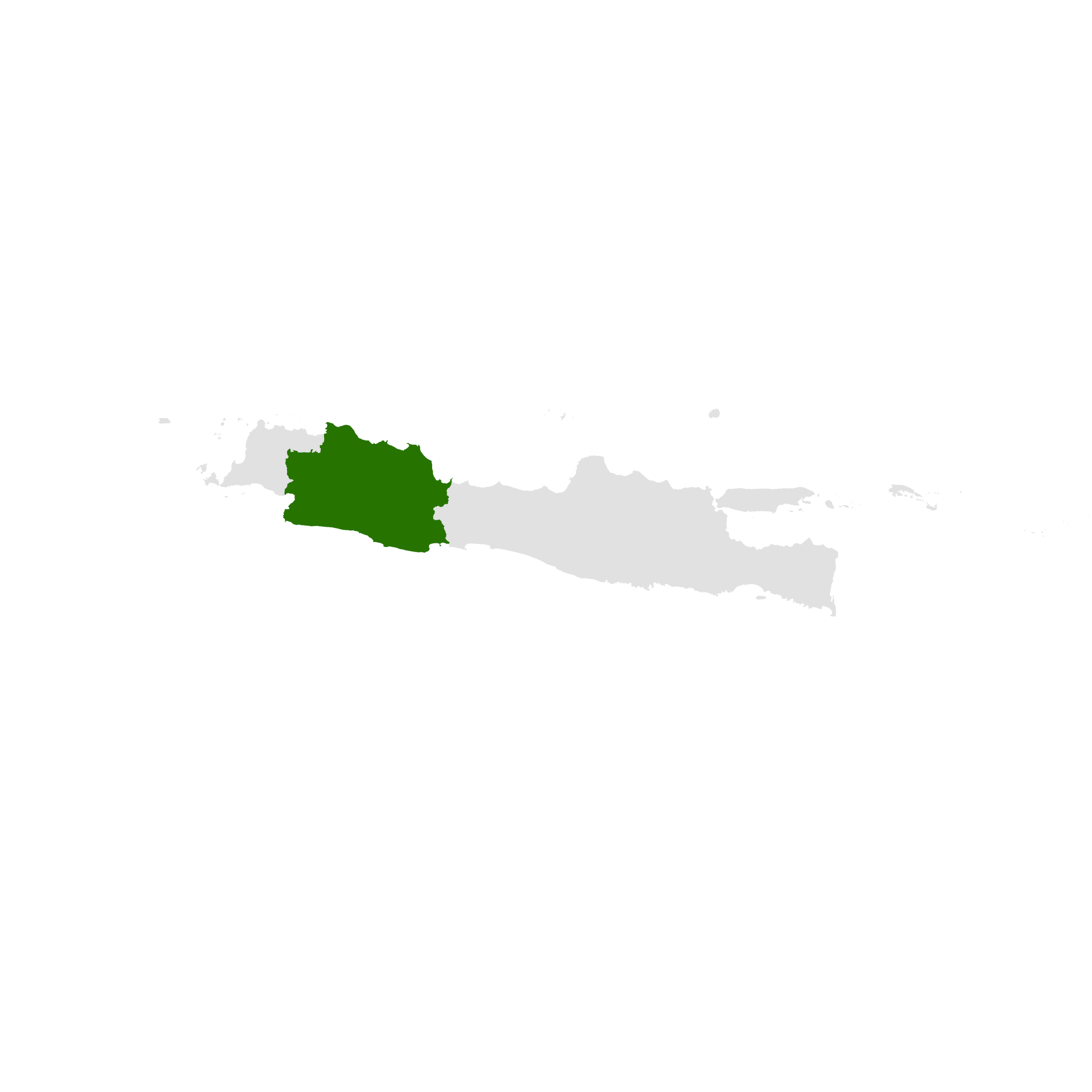
Core Field Region · Base
In Bogor, In.Waste runs waste education and household-level sorting training alongside Sekolah Rimbawan Kecil, reaching the communities along the Ciliwung watershed who have lived with the cost of what flows downstream.
What We Support
Waste Education Workshops. For schools and youth groups, integrated with Educate.In.
Household Sorting Training. Practical systems families can keep using after the training ends.
Ciliwung Watershed Cleanup. Direct cleanup action where the river starts.
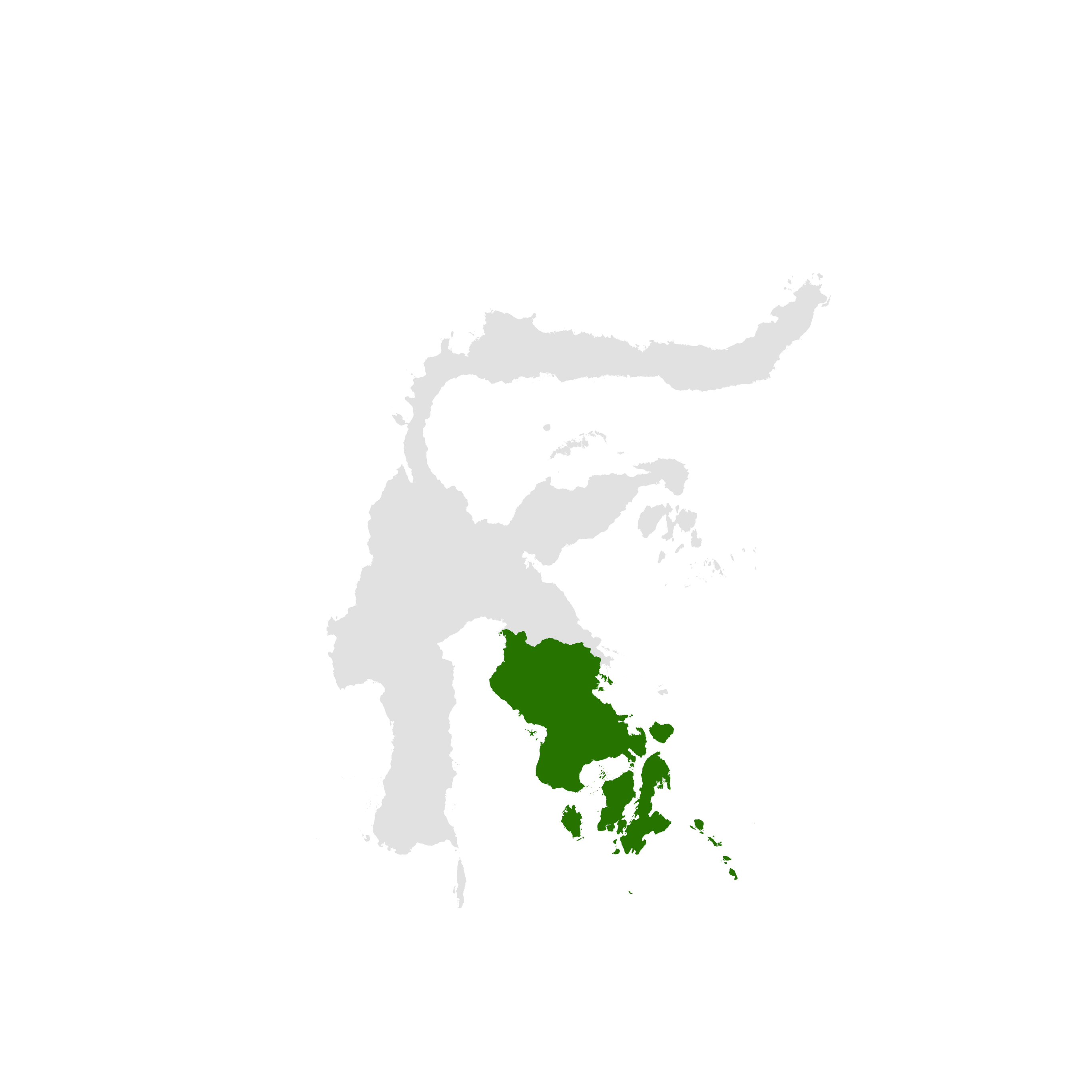
Core Field Region
In Kolaka, In.Waste focuses on low-value plastic reduction and community-level sorting, running alongside the mangrove-linked aquaculture pilot in Desa Totobo and Desa Towua so waste reduction and livelihood incentives reinforce each other.
What We Support
Low-Value Plastic Sorting. Community-level systems for the plastic the formal system leaves behind.
Community Collection Points. Set up with and run by the villages themselves.
Connected to Mangrove-Linked Aquaculture. Waste reduction alongside the Totobo and Towua pilot.
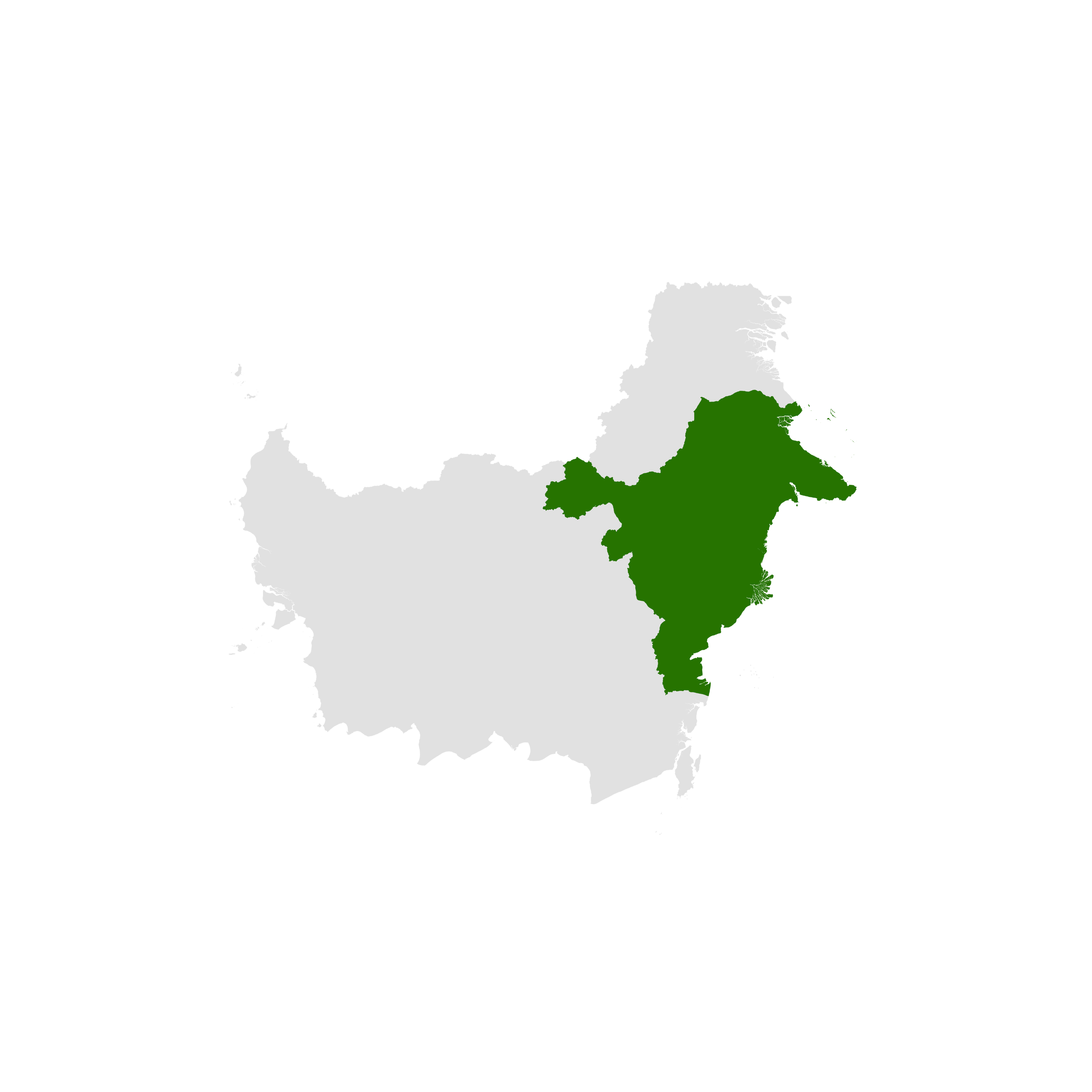
Core Field Region · SELAMAT.IN
In East Kalimantan, In.Waste runs alongside the wildlife corridor and habitat restoration work in the Kutai Landscape, reducing the waste pressure that builds up in buffer-zone communities living closest to the forest edge.
What We Support
Buffer-Zone Waste Management. Targeting the communities closest to the forest edge.
Reduced Pressure on Corridors. Less waste means less attractant for wildlife near settlements.
Connected to SELAMAT.IN. Part of the same field presence in the Kutai Landscape.
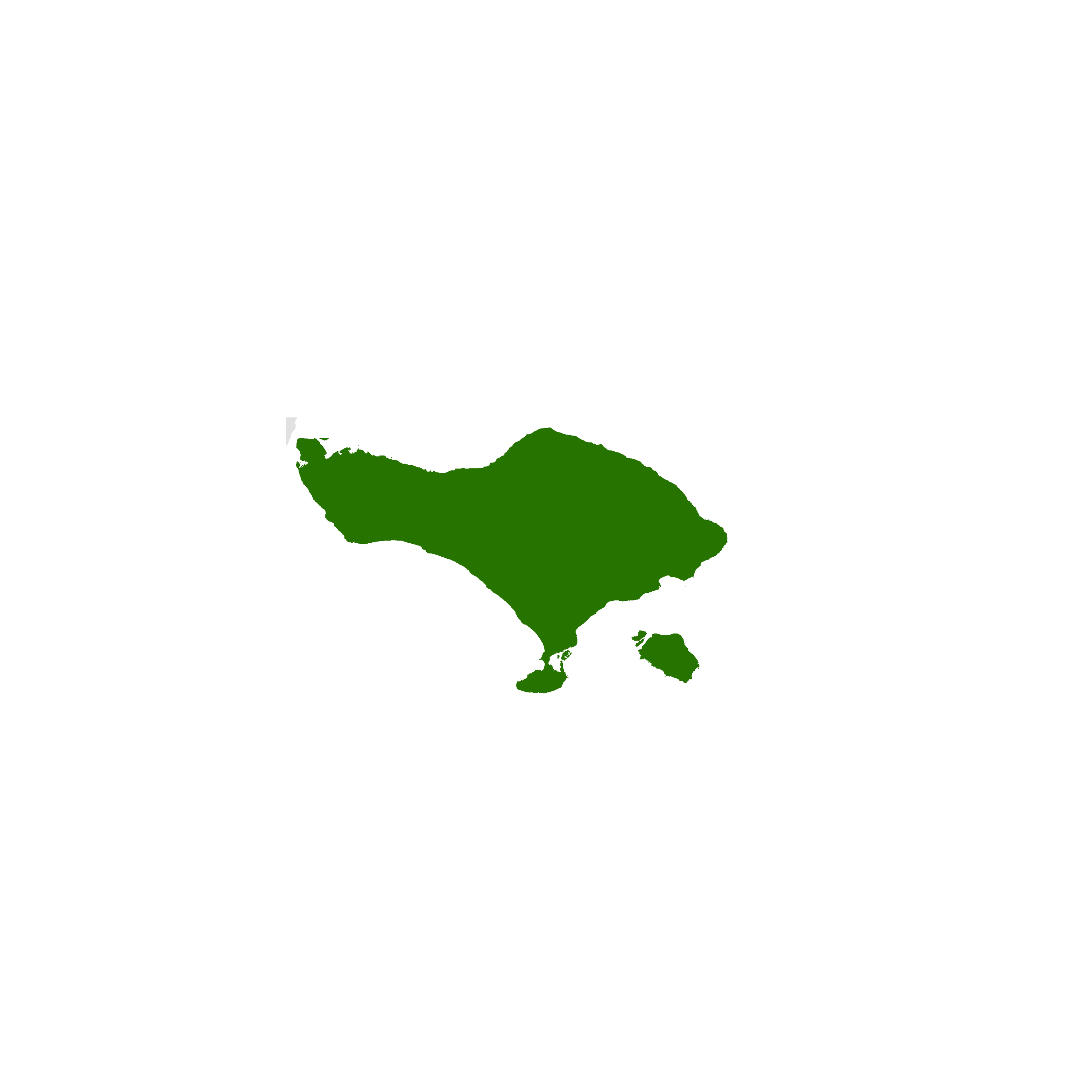
Partnership Presence
In Bali, In.Waste's work is delivered through local partner networks, focused on coastal cleanup and household-level waste systems in communities along the shoreline.
What We Support
Coastal Cleanup. Targeted action on the shoreline where waste accumulates.
Household Waste Systems. Practical sorting and reduction at the household level.
Local Network Delivery. Carried out through partner organizations already present on the ground.
Partnership Presence
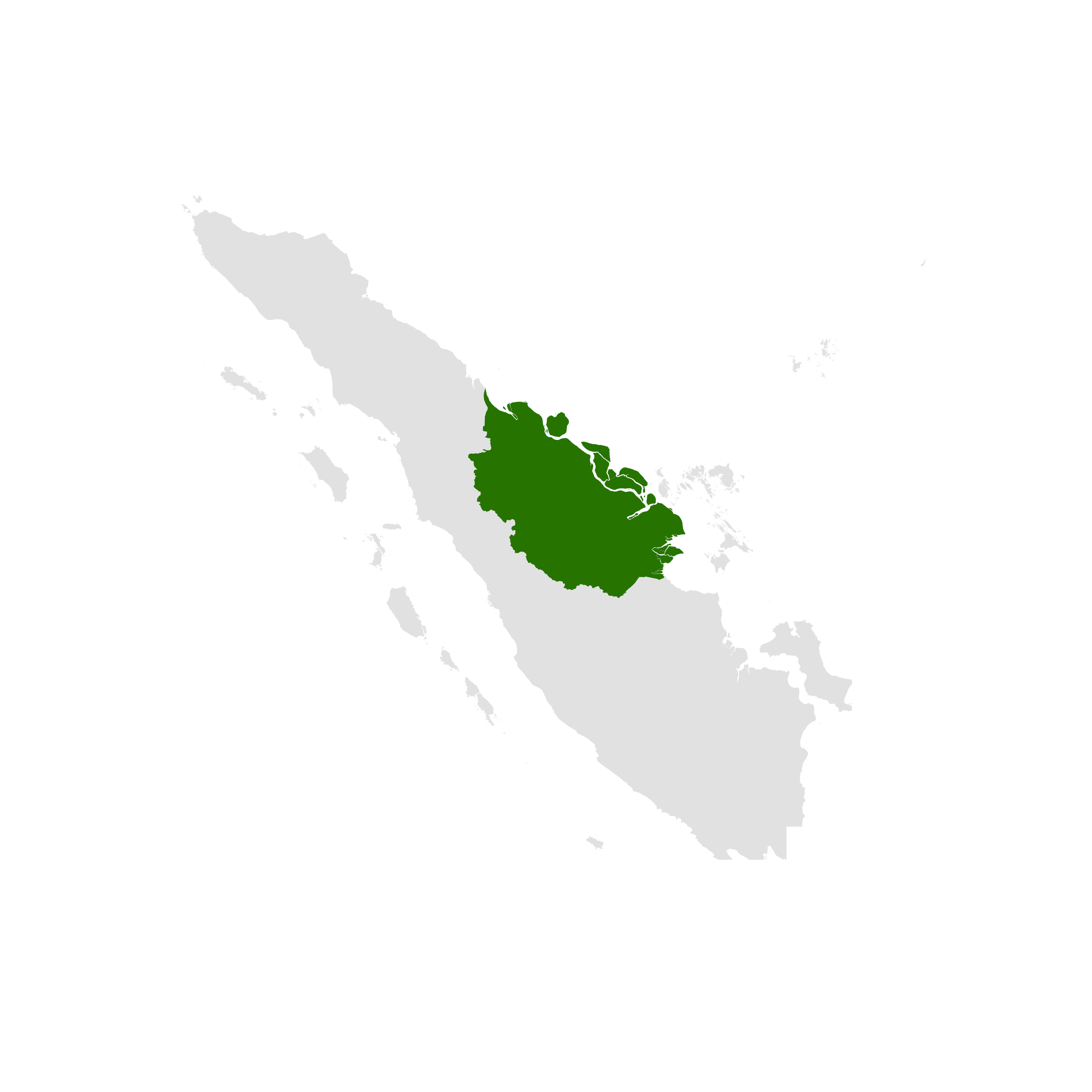
In Riau, In.Waste's work is delivered through local partner networks, accompanying communities in river cleanup and household-level waste systems in the sungai rawa zones of Pekanbaru.
What We Support
River Cleanup. Direct action in the sungai rawa zones where waste collects.
Household Waste Systems. Practical sorting and reduction at the household level.
Local Network Delivery. Carried out through partner organizations already present on the ground.