EAST KALIMANTAN
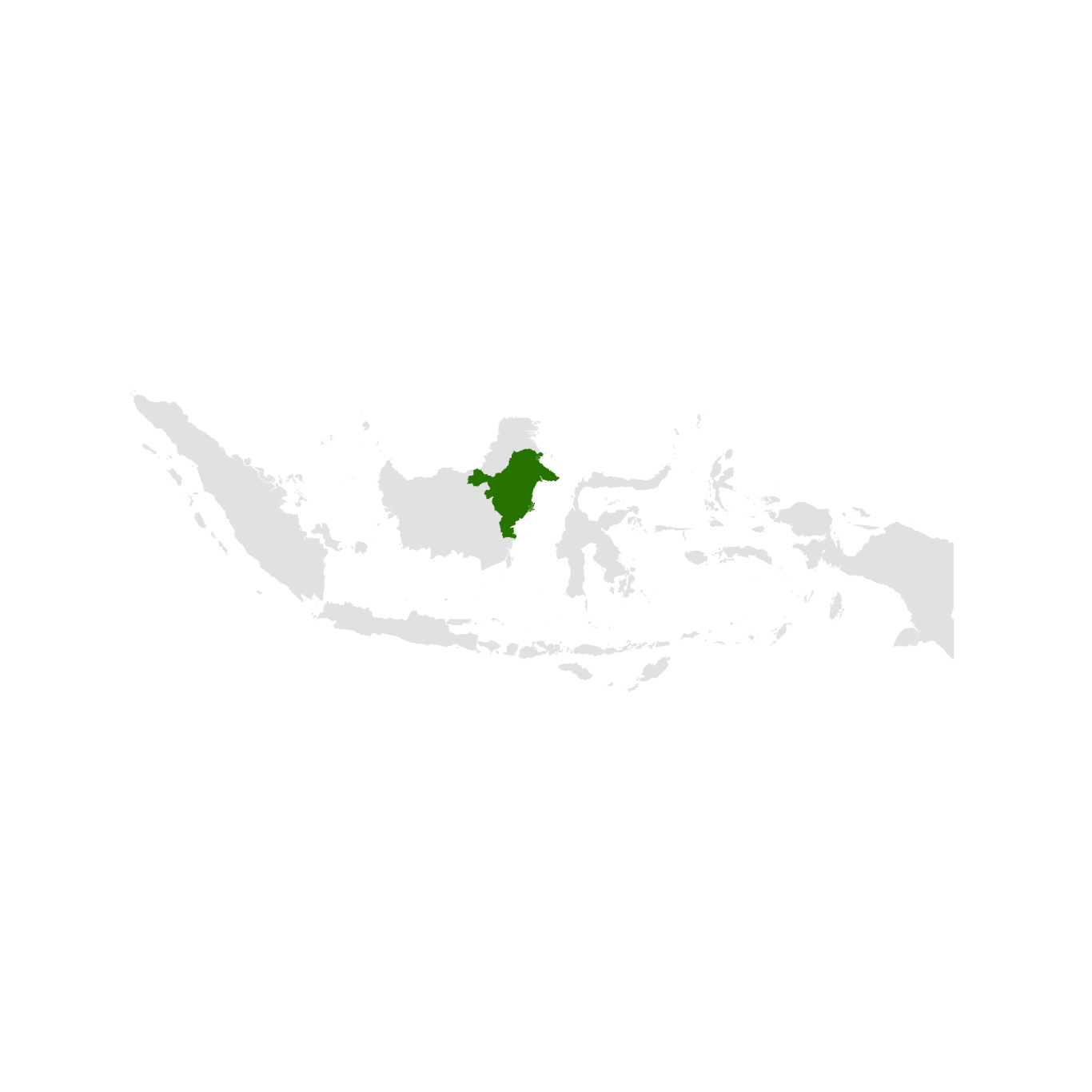
The Kutai Landscape is one of the last places the East Bornean orangutan exists in the wild, and Bontang is where Hutanin builds the coexistence systems these communities have never had.
Why East Kalimantan?
The Kutai Landscape is one of the last strongholds of the Critically Endangered East Bornean orangutan. As forests have been fragmented by industrial development and land-use change, the space that once separated wildlife habitat from human settlements has steadily disappeared. Orangutans and other wildlife increasingly enter farms and villages not because they choose to, but because the forests they depend on have shrunk around them.
This conflict is not inevitable. It is the result of decisions made beyond the communities most affected by it, and of conservation systems that have often lacked the capacity to support them. SELAMAT.IN works with buffer-zone communities across the landscape to strengthen local response capacity, develop practical protocols, and support safer coexistence between people and wildlife.
Hutan.in has maintained an active field presence in the Bontang area for years. SELAMAT.IN builds on those relationships, working alongside communities that have invited our involvement and in coordination with the government agencies responsible for wildlife management and response.
What We Do Here

Conservation · HWC
SELAMAT.IN is a long-term coexistence framework developed in the Kutai Landscape to address human-orangutan conflict through community response capacity, habitat restoration, and sustained field presence. Built alongside the communities it serves, the framework is designed to strengthen local ownership and, over time, be adapted to other landscapes facing similar challenges.
What We Support
Community-Based Response Capacity. Trained field responders embedded in buffer-zone communities, not external teams flown in for incidents.
Habitat Restoration. Restoring the forest connections that reduce the conditions driving conflict in the first place.
A Replicable Framework. Designed to be owned by the communities it works with and adapted elsewhere once proven.
Community Preparedness. Building the knowledge, protocols, and confidence communities need to respond safely when wildlife encounters occur.
Monitoring and Documentation. Tracking conflict incidents, wildlife movements, and community responses to improve decision-making over time.
Long-Term Coexistence. Supporting practical approaches that reduce conflict while protecting both orangutans and the communities that share the landscape with them.
Orangutans move through what remains of the forest. When those connections are lost, they are pushed into plantations and villages in search of food and safe passage. Through Adopt.In, we restore degraded corridors in the Kutai Landscape with native food-source species, helping reconnect habitat and reduce the pressures that drive conflict.
What We Support
Food-Source Species. Trees selected specifically for their role in orangutan diet and corridor habitat.
Degraded Corridor Restoration. Targeting the gaps where forest connectivity has broken down.
Reducing Conflict Pressure. Less fragmented habitat means fewer orangutans entering villages and plantations.
Habitat Connectivity. Reconnecting forest patches that allow orangutans and other wildlife to move safely across the landscape.
Community Stewardship. Working with local communities to select, plant, and care for restored areas over the long term.
Long-Term Monitoring. Tracking tree survival and restoration progress to ensure corridors continue to provide ecological value as they mature.
In.Waste
Communities at the edge of protected forest absorb the ecological cost of waste that passes through. Through In.Waste, we build practical community-led systems for sorting and reducing waste in East Kalimantan, with attention to how waste affects the wildlife corridors and water systems surrounding the Kutai Landscape.
What We Support
Community-Led Systems. Sorting and reduction habits built from within, not imposed from outside.
Protecting Wildlife Corridors. Attention to waste's downstream effect on habitat and water systems.
Practical, Lasting Change. Accompaniment over time rather than single interventions.
Humanitarian & Disaster
When an orangutan enters a village, a community needs a structured response framework. Our HWC accompaniment provides trained field responders and long-term accompaniment to communities across the Kutai Landscape who face these encounters regularly, often without institutional support.
What We Support
Trained Field Responders. People who know how to respond to an encounter safely, for both communities and wildlife.
Long-Term Accompaniment. Standing presence with communities, not one-time deployments.
Institutional Coordination. Working within the government coordination processes responsible deployment requires.


Our Updates