In.Conserve protects and restores the ecosystems communities depend on, from mangroves to forests and from coastlines to inland landscapes, where environmental pressures are greatest and action is needed most.
Why In.Conserve ?
Where We Do This
In.Conserve is currently active across several of Hutan.in's regions. Recent efforts include corridor restoration for orangutans in East Kalimantan, mangrove-linked aquaculture for Bajo fishing communities in Sulawesi, hillside restoration at our base in Bogor, and partnership-delivered mangrove planting in Bali. As new opportunities emerge, the work continues to expand into other landscapes where ecological recovery and community stewardship can be advanced together.
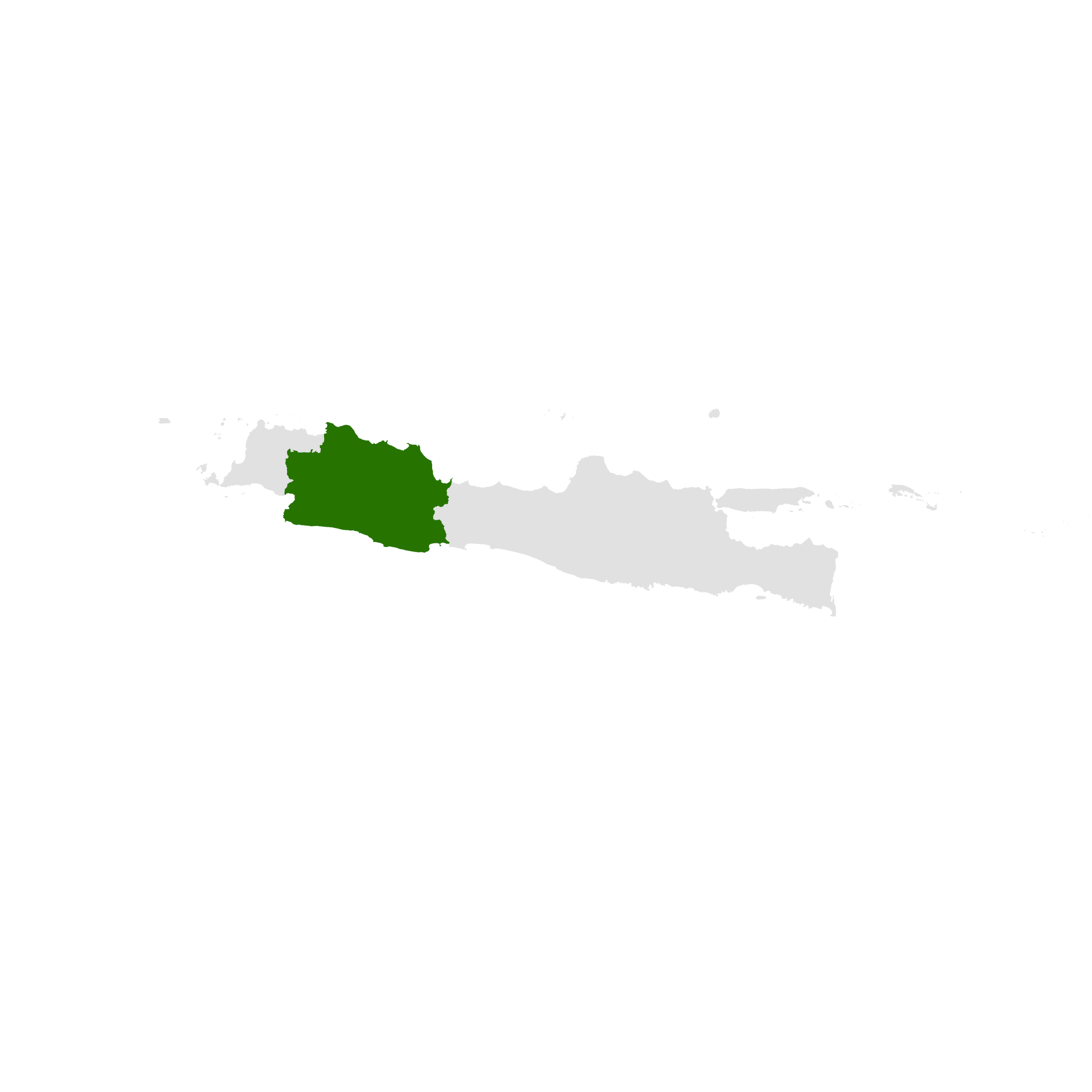
Core Field Region · Base
At our base in Bogor, In.Conserve restores the hillsides and forest corridors around Desa Cibunian, Pamijahan, with communities involved from site selection to long-term monitoring, connecting directly to Adopt.In and to the forest education work of Sekolah Rimbawan Kecil.
What We Support
Hillside and Corridor Restoration. Reforestation guided by the ecological context of each specific site.
Community-Led Site Selection. Communities are part of the process from the start, not brought in to plant and leave.
Connected to Adopt.In. Every planted tree geotagged, tended, and tracked through field updates.
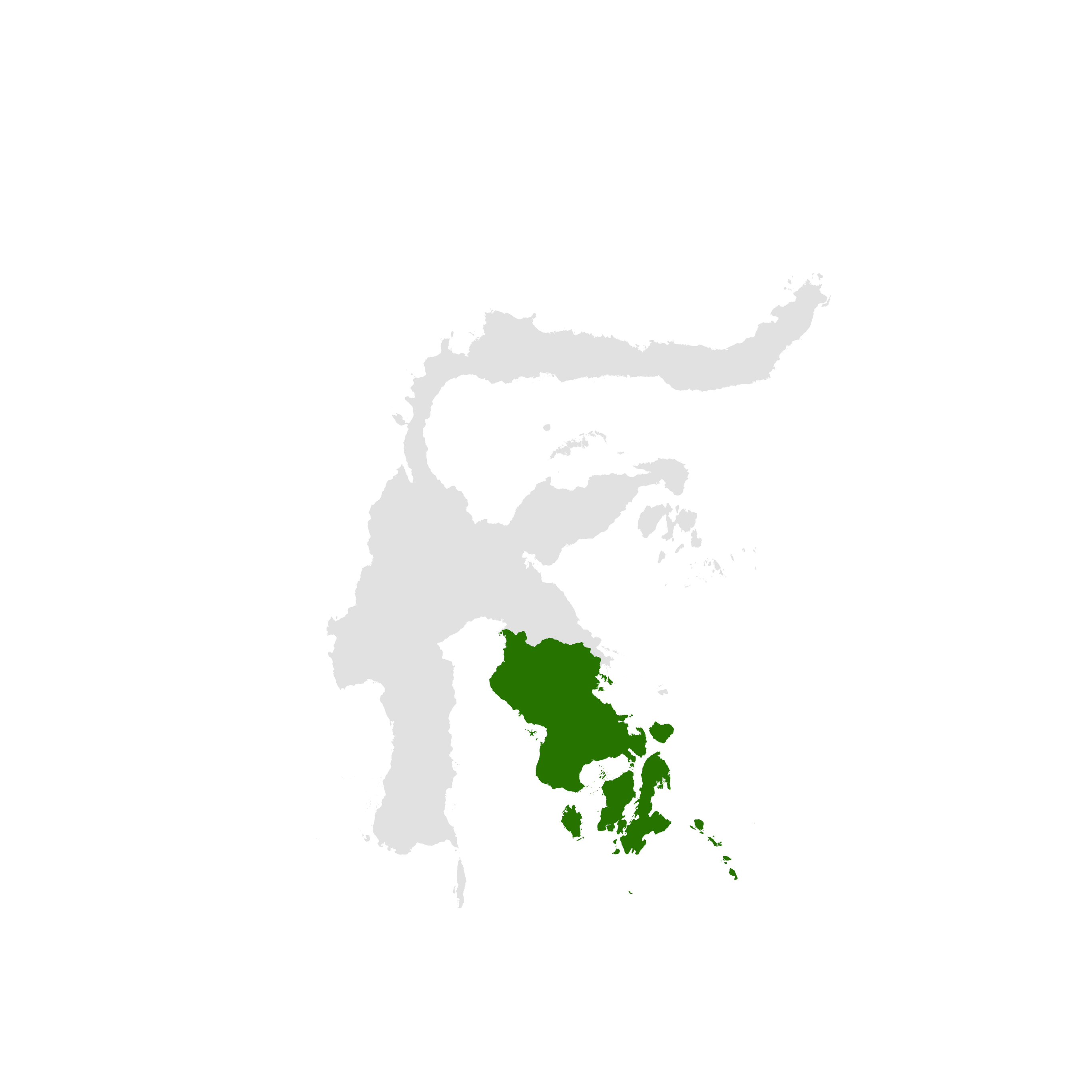
Core Field Region · Anoa
In Kolaka, In.Conserve covers both mangrove coastal edges and inland forest corridors, with a mangrove-linked aquaculture model in development for the coastal villages of Desa Totobo and Desa Towua, guided by habitat connectivity for the anoa.
What We Support
Mangrove and Terrestrial Planting. Coastal edges and inland corridors selected for ecological role and community livelihood needs.
Mangrove-Linked Aquaculture. A pilot in Desa Totobo and Desa Towua where each verified living mangrove earns a household a tilapia fingerling.
Anoa Habitat Connectivity. Species selection guided by the corridors the anoa depends on.
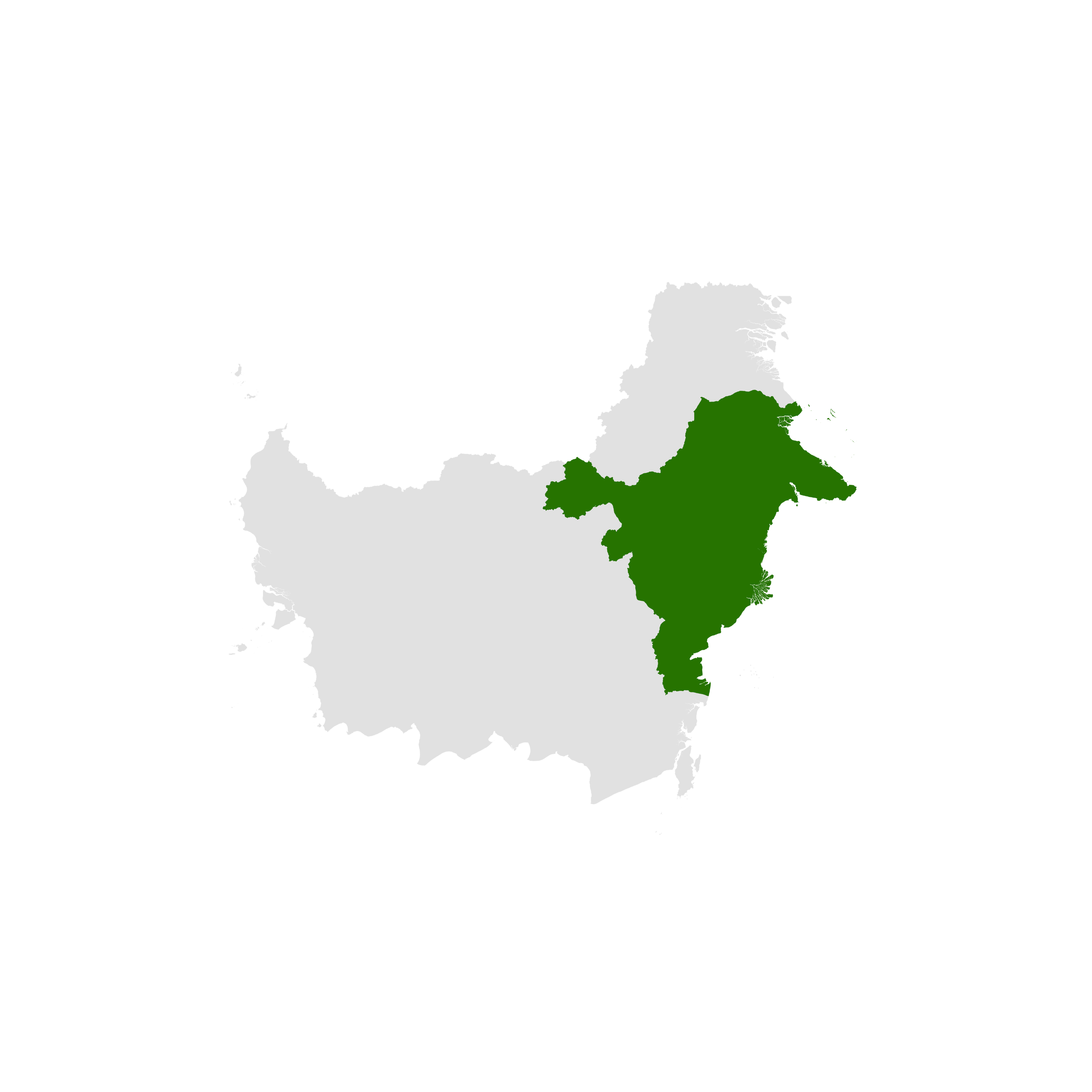
Core Field Region · SELAMAT.IN
In the Kutai Landscape, In.Conserve plants species selected as orangutan food sources along degraded corridors through Adopt.In, restoring the forest connections that reduce the human-wildlife conflict driving SELAMAT.IN's work in the first place.
What We Support
Food-Source Species Planting. Trees selected for their role in orangutan diet and corridor habitat.
Degraded Corridor Restoration. Targeting the gaps where forest connectivity has broken down.
Foundation for SELAMAT.IN. Habitat restoration that reduces pressure before conflict happens.
Partnership Presence
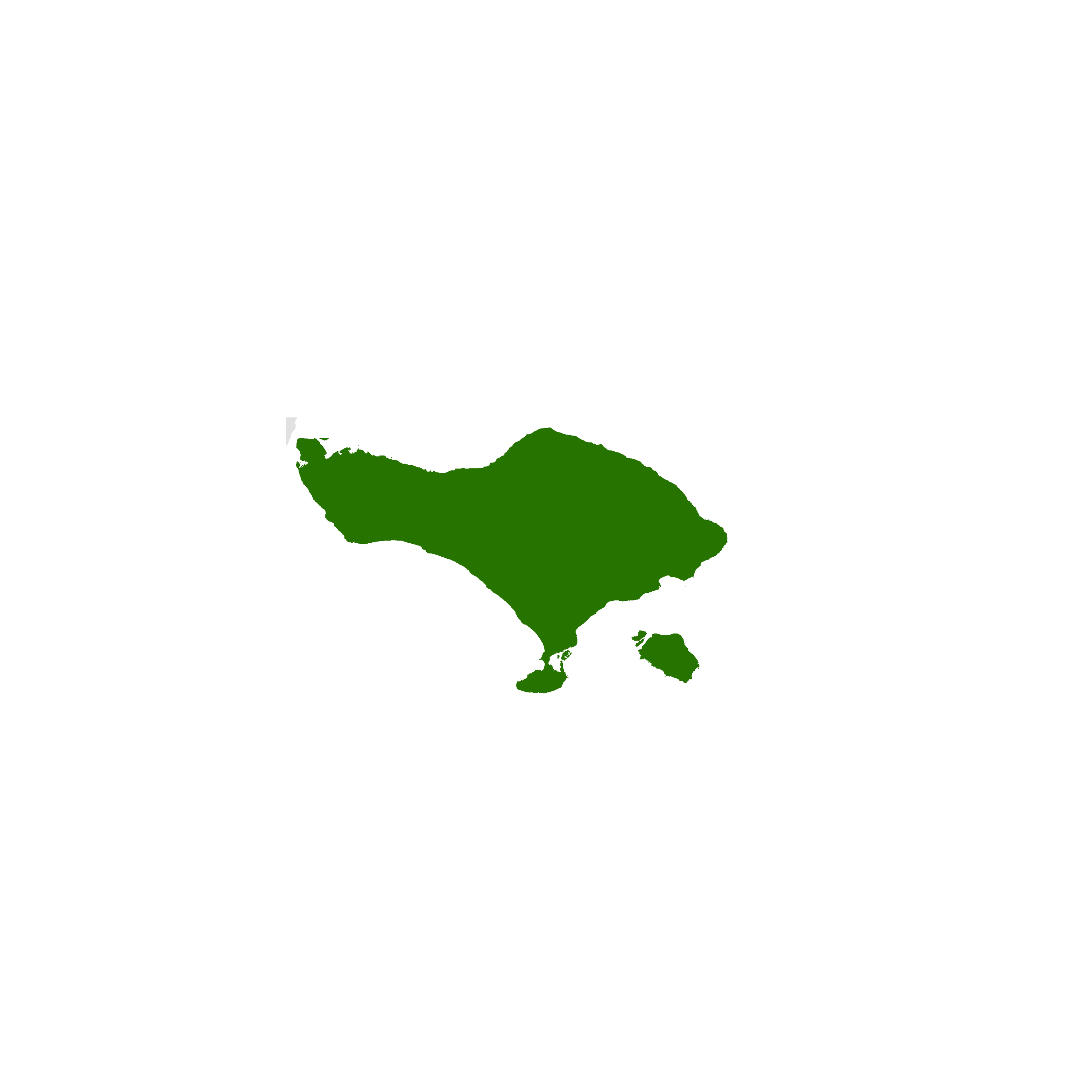
In Bali, In.Conserve's planting work is modest and specific, delivered through local partner networks, targeting coastal edges where mangroves give the most immediate protection for the communities and the sea turtle habitat along the shoreline.
What We Support
Coastal Mangrove Planting. Targeted restoration where mangroves give the most immediate protection.
Sea Turtle Habitat. Coastal restoration that supports nesting habitat alongside community protection.
Local Network Delivery. Carried out through partner organizations already present on the ground.
Partnership Presence
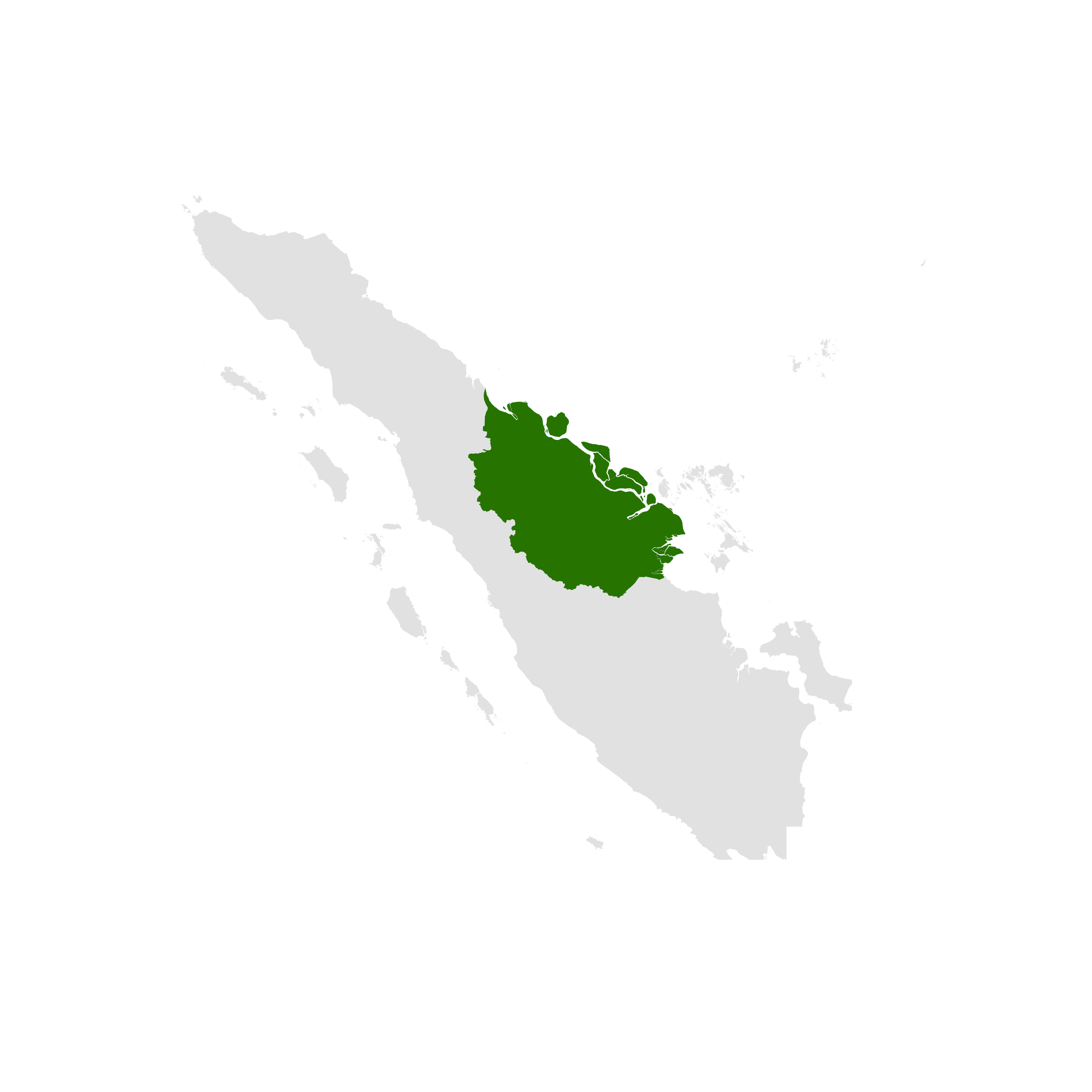
Riau holds some of Sumatra's last intact lowland forest corridors. Through local partner networks, In.Conserve focuses on the river swamp zones of Pekanbaru, critical nurseries for freshwater fish and the first line of defense against tidal flooding for the communities who live along these riverbanks.
What We Support
River Swamp Restoration. Targeting the riverbank zones where mangroves matter most for flood protection.
Community-Selected Sites. Every planting site chosen with and by the communities who live there.
Freshwater Fish Nurseries. Protecting the breeding grounds local livelihoods depend on.